
A torn window or door screen doesn't have to stay that way. Here's how to replace the mesh yourself in seven steps — no special tools required.
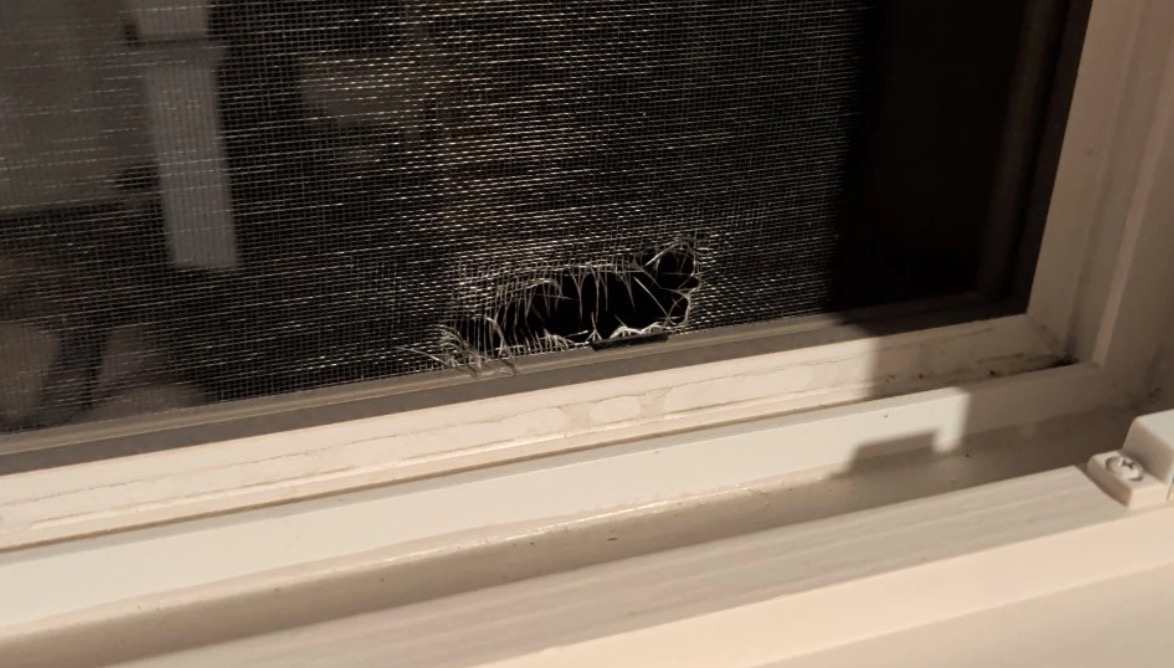
If you've been living with a torn screen since last spring — or maybe longer — you're in good company. Screen replacement is one of those tasks that feels minor enough to ignore until the weather warms up, and then suddenly you're trading fresh air for bugs because no one got around to fixing it.
In San Diego, where open-window season runs basically year-round — especially in neighborhoods like Carmel Valley, Del Sur, and Rancho Peñasquitos (92130, 92127, 92129) — a torn or bent screen isn't just cosmetic. It's a bug entry point and a reminder every single evening when you're trying to let in a breeze.
Window and door screens are one of the simplest — and most underappreciated — components of home comfort. They keep insects out while letting in fresh air, which in San Diego's mild climate means you can genuinely skip the AC for much of the year if your screens are intact. A good screen also filters out some dust and debris before it enters your home.
The other thing to know: most torn screens are easy and inexpensive to replace. A standard screen replacement kit runs $10–$20, and the work doesn't require any special tools. The main barrier is simply knowing the process — and setting aside an afternoon to do it.
For a full screen replacement: replacement screen mesh (fiberglass is easier to work with for beginners), a spline roller, new spline cord (the rubber gasket that holds the mesh in the frame), a utility knife, and a flat-head screwdriver. If the frame itself is bent or damaged, a pre-assembled replacement screen is often the simpler route — hardware stores carry standard sizes, and many will cut custom screens to your measurements.
Re-screening a warped or corroded frame won't hold for long. If the frame itself has taken too much abuse, a full replacement is the better call. Most hardware stores stock standard sizes, and many screen shops can cut a replacement to your exact measurements in under an hour — bring the old screen as a reference. For sliding screen doors, complete replacement units with hardware pre-installed are widely available and often the simplest fix for older doors.
For Livd members, screen repair and replacement is one of the most common springtime requests — and one that makes an immediate, satisfying difference. Whether it's a single bedroom window or every screen on the back patio, our team shows up with the right materials and gets it done in a single visit. No measuring, no hardware store trips, no YouTube rabbit holes.
Already a Livd member? Add "screen replacement" to your task list in the Livd app and we'll take care of it on your next scheduled visit.
Not a Livd member yet? Schedule your free home walkthrough at livdhomes.com — we'll assess what your home needs and build a proactive maintenance plan to get it all handled.

