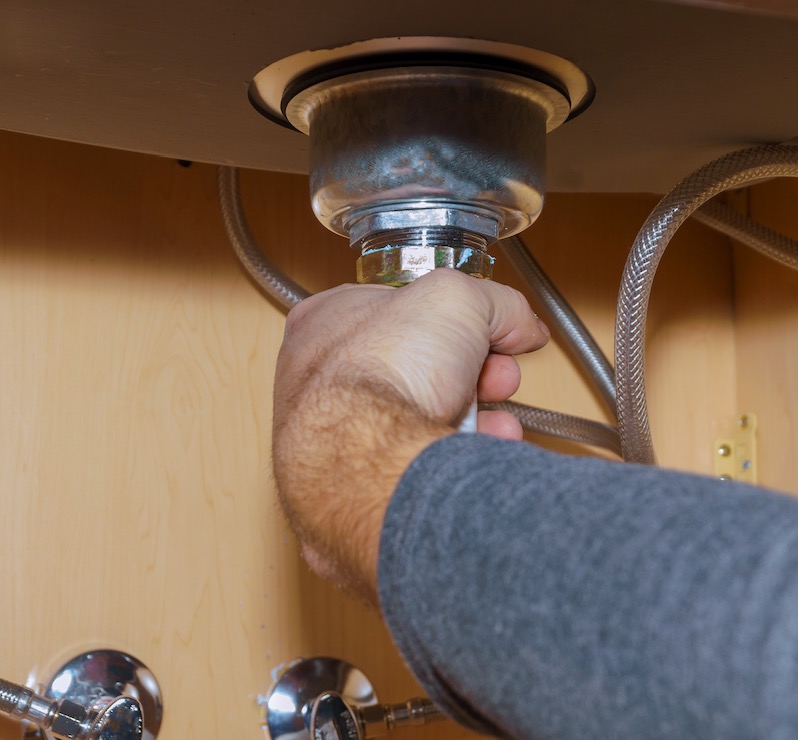
A clogged air filter quietly raises your bill and dust levels. Here's how often to change it, how to pick the right one, and what happens if you don't.
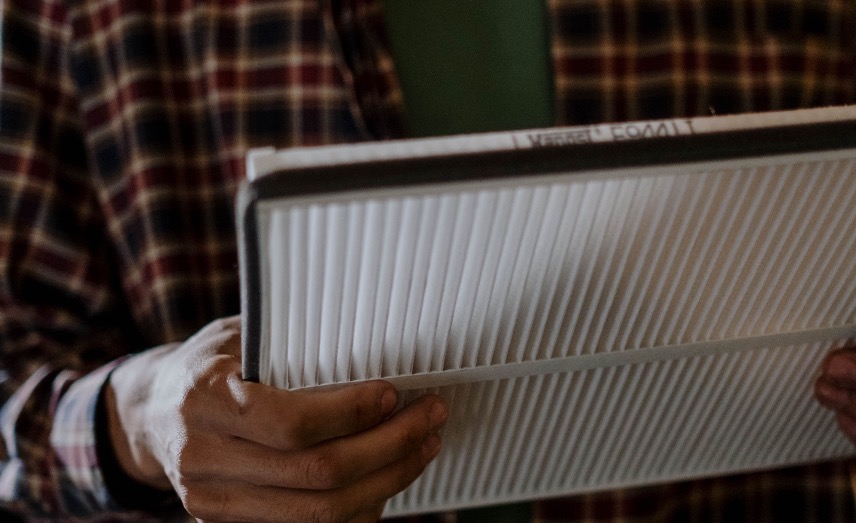
Your air filter is one of the cheapest, most important parts of your home — and also one of the easiest to forget entirely. It sits out of sight behind a vent or a panel, doing quiet, thankless work, until one day you realize you genuinely can't remember the last time you changed it. If that's you, you're in good company. It's one of the most commonly overlooked tasks in San Diego homes.
The good news: swapping an air filter takes about five minutes, costs a few dollars, and requires zero tools. Here's how often to do it, how to choose the right one, and what actually happens when you skip it.
That thin filter does two jobs at once. It keeps dust, pollen, pet dander, and debris out of the air your family breathes, and it protects the equipment behind it from getting caked in grime. When the filter clogs, air can't move through it easily — so everything downstream has to strain harder to pull air through a dirty screen.
The result is higher energy bills, weaker airflow from your vents, more dust settling on your furniture, and worse air quality throughout the house. In inland neighborhoods like Rancho Bernardo, Scripps Ranch, and Poway (ZIP codes 92128, 92131, 92064), where summer heat and dust load are higher, filters clog noticeably faster than most people expect.
A good rule of thumb for most San Diego homes:
The honest answer is that it depends on your home — pets, allergies, open windows, and dusty seasons all shorten the timeline. The easiest habit: pull the filter out once a month and hold it up to the light. If you can't see light through it, it's time.
Two things matter: size and MERV rating. The size is printed right on the cardboard edge of your current filter (something like 16x25x1) — match it exactly. The MERV rating measures how much the filter captures: higher numbers trap finer particles. For most homes, a MERV rating between 8 and 11 is the sweet spot — enough to catch dust, pollen, and dander without choking airflow. Skip the ultra-high MERV filters unless a professional has told you your system is built for them, since an overly dense filter can restrict airflow.
A neglected filter doesn't fail dramatically — it just quietly costs you. You breathe dustier air, your bills climb, your home feels stuffier, and dust builds up faster on every surface. Over the long run, a chronically clogged filter puts extra strain on equipment that's expensive to repair. A few dollars every couple of months is the cheapest insurance in your whole house.
Changing a filter is simple — the hard part is remembering to do it on schedule, every single time, for years. For Livd members, this is exactly the kind of small, easy-to-forget task your dedicated handyman keeps track of, swapping filters on a regular cadence during scheduled visits so you never have to think about it. Same handyman each time, so they know your filter sizes and how quickly your home goes through them.
Already a Livd member? Add "air filter change" to your task list in the Livd app and we'll take care of it on your next scheduled visit.
Not a Livd member yet? Schedule your free home walkthrough at livdhomes.com — we'll assess what your home needs and build a proactive maintenance plan to keep the little things from becoming big ones.