San Diego sun is brutal on wood. Here's how to reseal a deck or fence — the prep, timing, and steps that make the finish actually last.
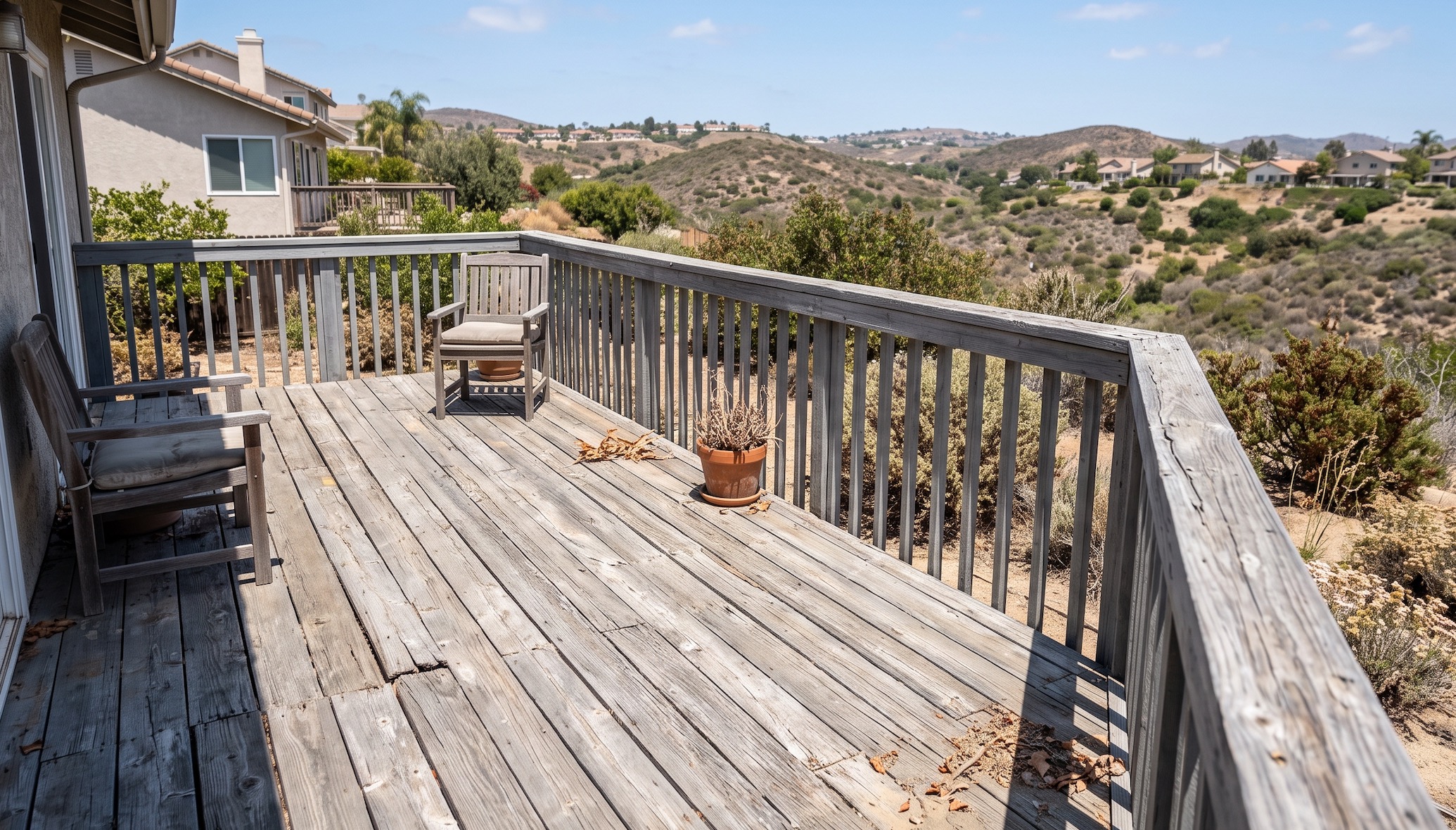
If your deck has faded to a dull gray, or your fence feels dry and splintery when you run a hand along it, the San Diego sun has been quietly doing its work. Wood out here takes a beating that most people underestimate — months of relentless UV, dry heat, and just enough coastal moisture to invite mildew. If your outdoor wood is looking tired, you're in good company; it's one of the most overlooked maintenance jobs we see in local homes.
The good news: resealing a deck or fence is a satisfying weekend project that dramatically extends the life of the wood and makes the whole yard look cared-for again. The trick is in the prep and the timing. Here's how to do it right.
A sealer or stain is a sunscreen and a raincoat for your wood. It blocks the UV rays that bleach and dry out the surface, and it repels the moisture that leads to warping, cracking, and rot. Skip it for too long and the damage stops being cosmetic: dried-out boards splinter, cup, and eventually need replacing — a far bigger expense than a can of sealer.
In sun-drenched neighborhoods of San Diego, south- and west-facing decks and fences take the hardest UV hit and usually need attention every one to two years. A quick test: sprinkle a little water on the wood. If it soaks in instead of beading up, the old seal is gone and it's time to reapply.
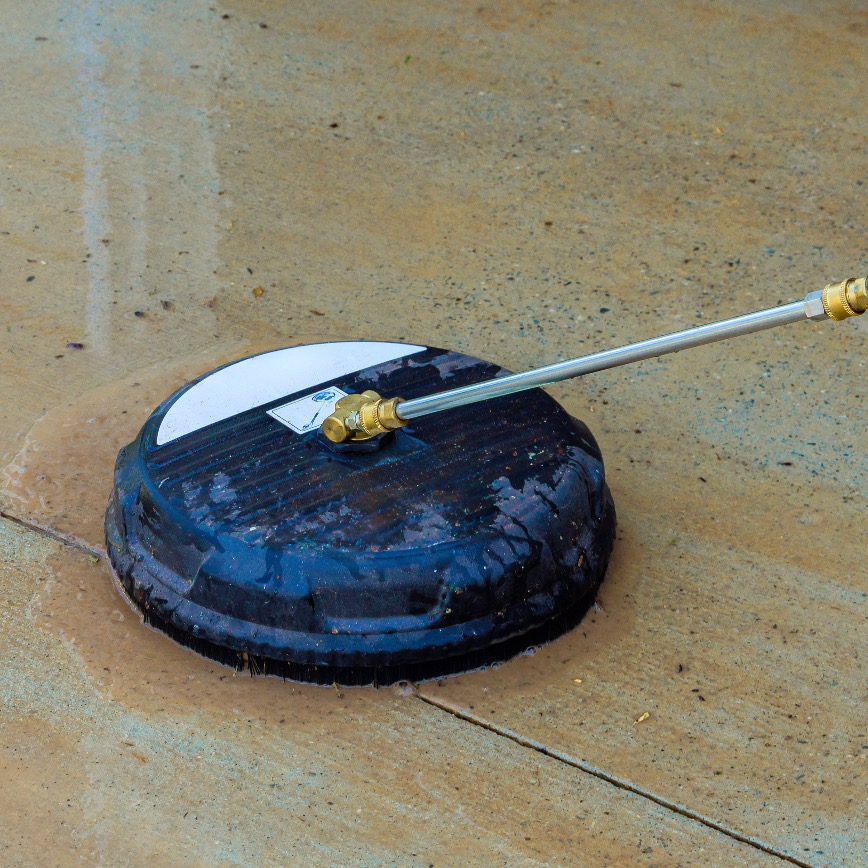
A stiff-bristle brush, a pump sprayer or garden hose, deck cleaner or a mildew-killing wood wash, a pressure washer (optional but helpful), medium-grit sandpaper or a sanding block, painter's tape and a drop cloth, and your sealer or stain of choice — a semi-transparent, UV-resistant exterior stain holds up best in our climate. Add a brush, roller, or pad applicator to put it on.
For most San Diego homes, plan on resealing a deck every one to two years and a fence every two to three, with sun-exposed sides needing it sooner. The easiest habit is to do the water-bead test each spring — if the water stops beading, it's time. Catching it early means a quick reseal instead of a full sand-and-restore down the road.
Resealing is genuinely rewarding — and also a full weekend of scrubbing, waiting, and careful brushwork in the sun. For Livd members, deck and fence care is exactly the kind of seasonal task your dedicated handyman can plan around the weather and fold into a scheduled visit, so the wood gets protected before the damage sets in. Same handyman each time, so they already know which fence line takes the worst afternoon sun.
Already a Livd member? Add "reseal deck/fence" to your task list in the Livd app and we'll take care of it on your next scheduled visit.
Not a Livd member yet? Schedule your free home walkthrough at livdhomes.com — we'll assess what your home needs and build a proactive maintenance plan to keep the little things from becoming big ones.