Broken heads, clogged nozzles and a timer still set for July can waste thousands of gallons. Here's a simple twice-a-year sprinkler checkup for San Diego yards.
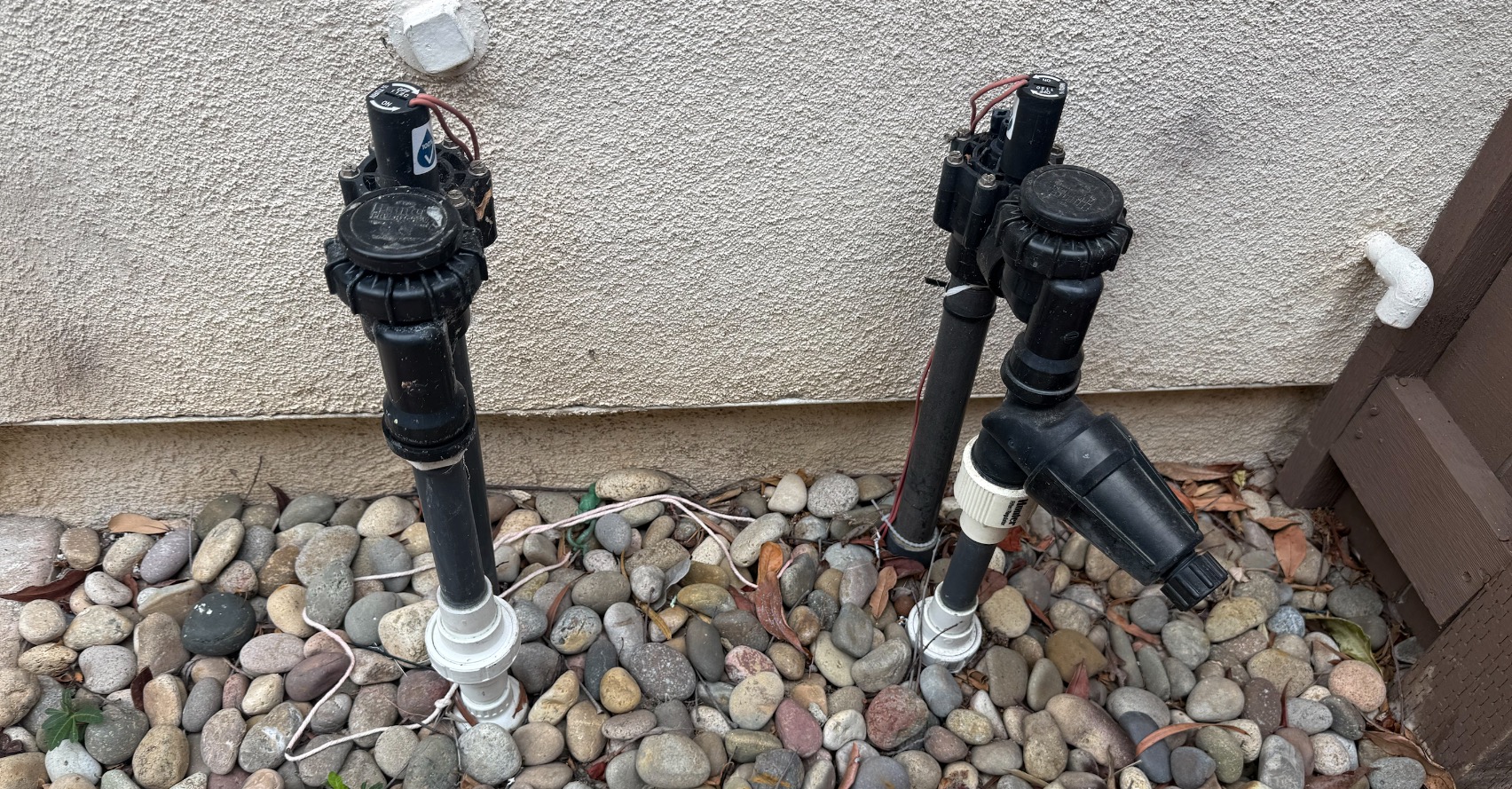
If your water bill jumped for no clear reason, or there's a soggy patch in the lawn next to a dry, brown one, your sprinkler system is probably trying to tell you something.
Irrigation systems run in the early morning while everyone's asleep, so small problems go unnoticed for months. A broken head can spray thousands of gallons into the street before anyone sees it. A full checkup takes about 30 minutes.
In most San Diego homes, outdoor watering is the single biggest use of water. With dry summers and expensive water, a system that's leaking, overspraying or running on the wrong schedule costs real money.
Overwatering also causes problems closer to the house: soggy soil against the foundation, stained stucco and wood fences that rot from the bottom up. San Diego water agencies also have rules about runoff and watering times, so it's worth checking your local agency's current guidelines.
A flathead screwdriver, needle-nose pliers, a microfiber cloth and a pack of small stake flags to mark problem heads.
Twice a year: in spring before the heat arrives, and in fall to cut back the schedule for the rainy season. Set the controller to rain mode or turn it off during and after storms.
Check the outdoor hose bibs for drips, and look at where your sprinklers hit fences and decks. If they've been soaking wood for years, our guide on resealing a deck or fence is a good next step. The San Diego spring home maintenance checklist covers other outdoor tasks to pair with this one.
Walking every zone at 6 a.m. isn't how most people want to start their day. For Livd members, your dedicated handyman checks the irrigation system twice a year as part of your proactive maintenance plan, adjusts the spray patterns and clears the heads, and flags anything that needs repair. Bigger jobs, like a leaking buried pipe or a failing valve, may need an irrigation contractor, and we'll let you know if that's the case.
Already a Livd member? Add "check irrigation system" to your task list in the Livd app and we'll take care of it on your next scheduled visit.
Not a Livd member yet? Schedule your free home walkthrough at livdhomes.com. We'll look at what your home needs and build a proactive maintenance plan to keep the little things from becoming big ones.