A dirty outdoor AC unit makes your system work harder all summer. Here's how to deep clean the condenser coils yourself, including the one rule most people get backwards.
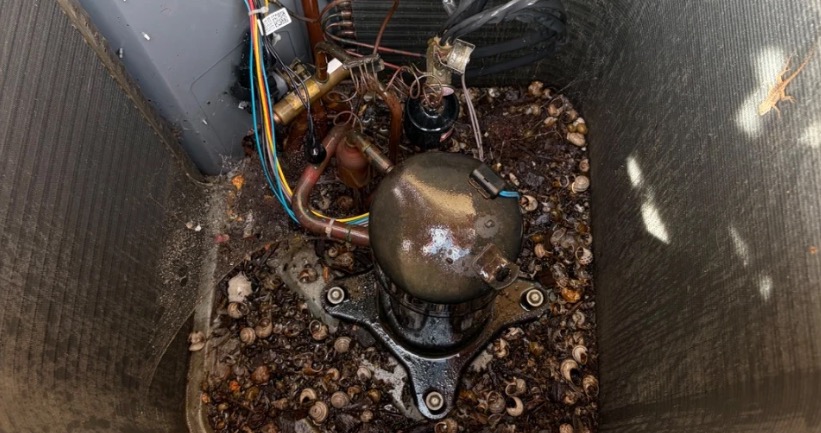
When the first real heat wave rolls into inland San Diego, the last thing you want is an AC that's struggling to keep up. A surprising amount of that struggle comes from the big metal box outside your house.
That outdoor unit, called the condenser (the compressor sits inside it), releases the heat your AC pulls out of your home. If its coil fins are clogged with dust, leaves and cottonwood fluff, or it's hemmed in by shrubs, it can't get rid of that heat efficiently.
A dirty condenser makes your system run longer to cool the house, which shows up on your energy bill and adds wear to the system. A yearly cleaning is one of the most effective things you can do to keep it running well.
It matters most in the hotter inland neighborhoods, like Rancho Bernardo, Poway and 4S Ranch (92128, 92064, 92127), where summer temperatures regularly push into the 90s and AC systems work hard.
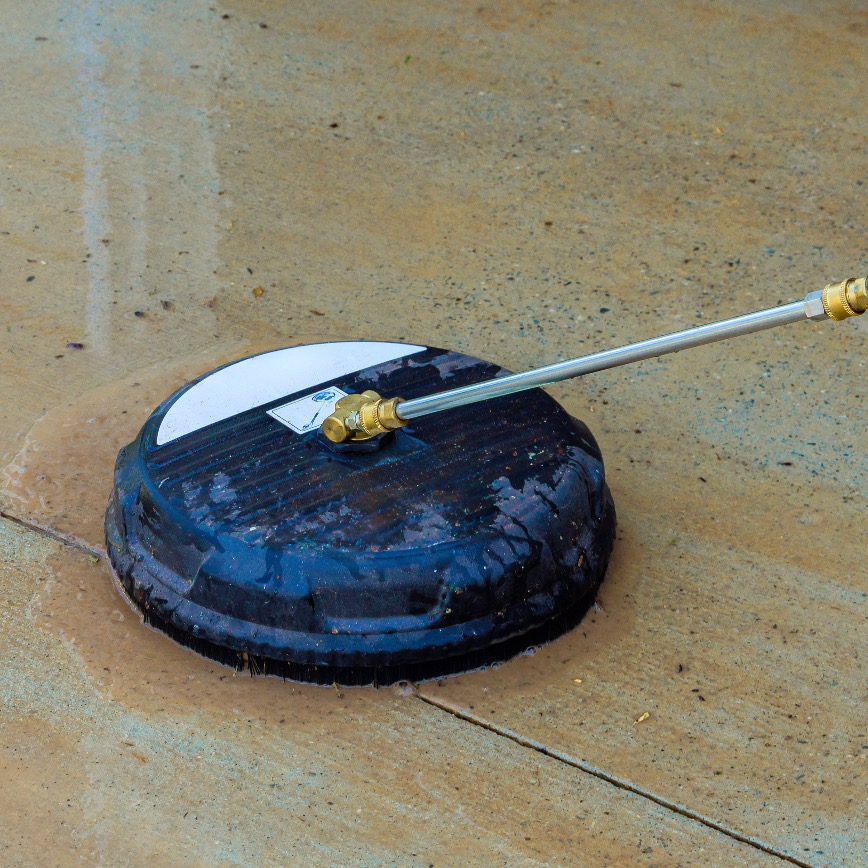
A garden hose with a spray nozzle (never a pressure washer), a vacuum with a brush attachment, a foaming coil cleaner such as Simple Green Foaming Coil Cleaner, a screwdriver, microfiber cloths, gloves and pruning shears.
Cut power in two places before you start: at the disconnect box on the wall next to the unit and at the AC breaker in your main electrical panel. Never touch anything inside the unit while it has power.
Once a year, ideally in spring before the heat arrives. If your unit sits near trees, a dirt slope or a busy road, a quick hose rinse in midsummer helps too. Keep plants trimmed back year-round.
Cleaning covers the outside of the system. If you see ice on the lines, oily spots on the coils, hear new grinding or buzzing, or the house isn't cooling even with clean coils, it's time for a licensed HVAC technician. Refrigerant and electrical repairs aren't DIY jobs.
The indoor side matters just as much. A clogged air filter restricts airflow through the whole system. See our guide on how often to change your air filter.
Crouching in the side yard with a hose and coil cleaner on a hot day is easy to put off. For Livd members, your dedicated handyman deep cleans the condenser once a year as part of your proactive maintenance plan, with the coil cleaner included, and flags anything that looks like it needs an HVAC technician.
Already a Livd member? Add "clean AC condenser" to your task list in the Livd app and we'll take care of it on your next scheduled visit.
Not a Livd member yet? Schedule your free home walkthrough at livdhomes.com. We'll look at what your home needs and build a proactive maintenance plan to keep the little things from becoming big ones.